Pig is the Best Food Movie Ever Made
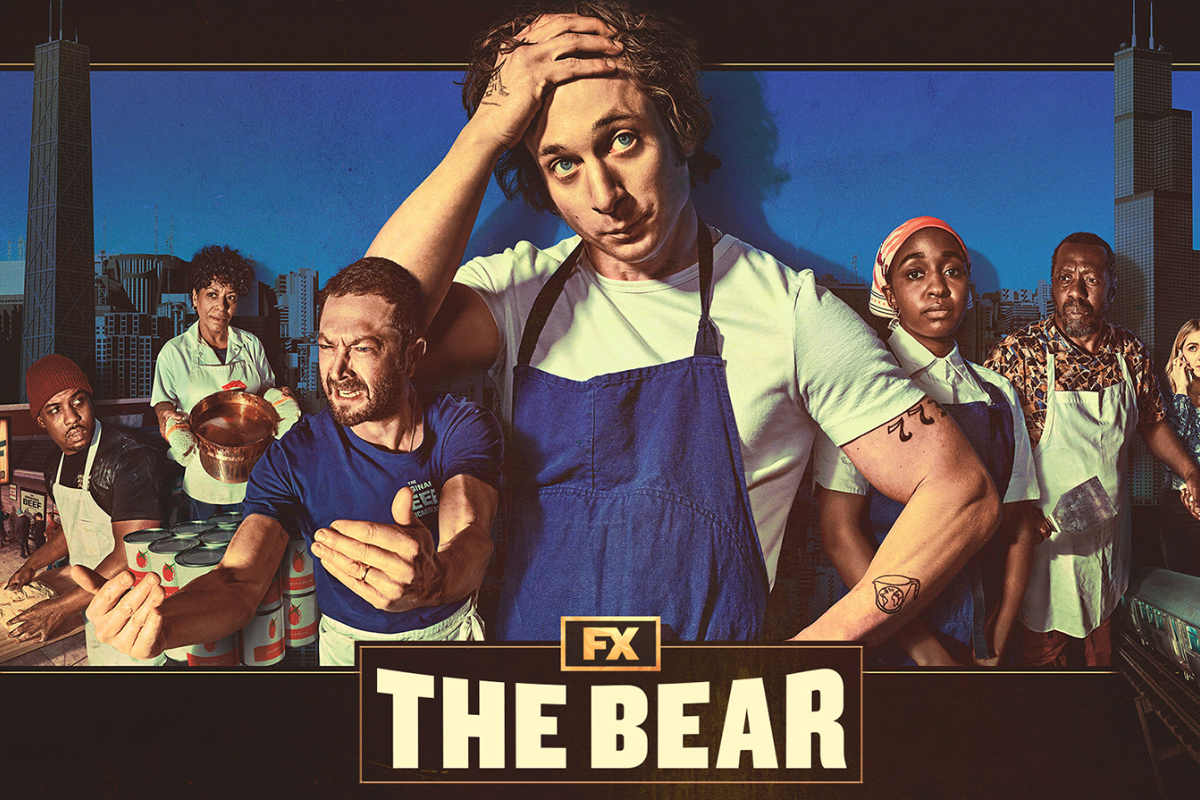
Most food movies aren’t actually about food. Or they are, they’re just actually about something bigger than that and get the actual food part only half right. It’s why people liked The Bear so much, and why kitchen staff had trauma nightmares after watching it (until they got neither the food part or anything right in the later seasons).
They show you butter melting, knives chopping, steam rising, and plates that look like they belong behind glass, placed perfectly on perfect tablecloths…But underneath all that, they’re about something else.
Burnt is about addiction and ego. It’s Bradley Cooper screaming through a kitchen, chasing perfection like it might fix him. It’s chaotic, kind of ridiculous, and honestly pretty fun because of it. Chef is about a guy realizing he hates the life he built, then finding his way back through a food truck, his kid, and a suspicious amount of charm (lol) directed at Scarlett Johansson (who barely gets to be a character).
Waitress is about survival and finding a community when your life feels stuck.
The Taste of Things is about grief, about time, about hands moving slowly through recipes that feel older than the people making them.
Even Big Night, which is dying for its renaissance in the Italian Tucci period we’re all living in, isn’t really about the meal. It’s about pride, failure, and two brothers holding onto something that’s already slipping away.
The best food movies use food as a way in.
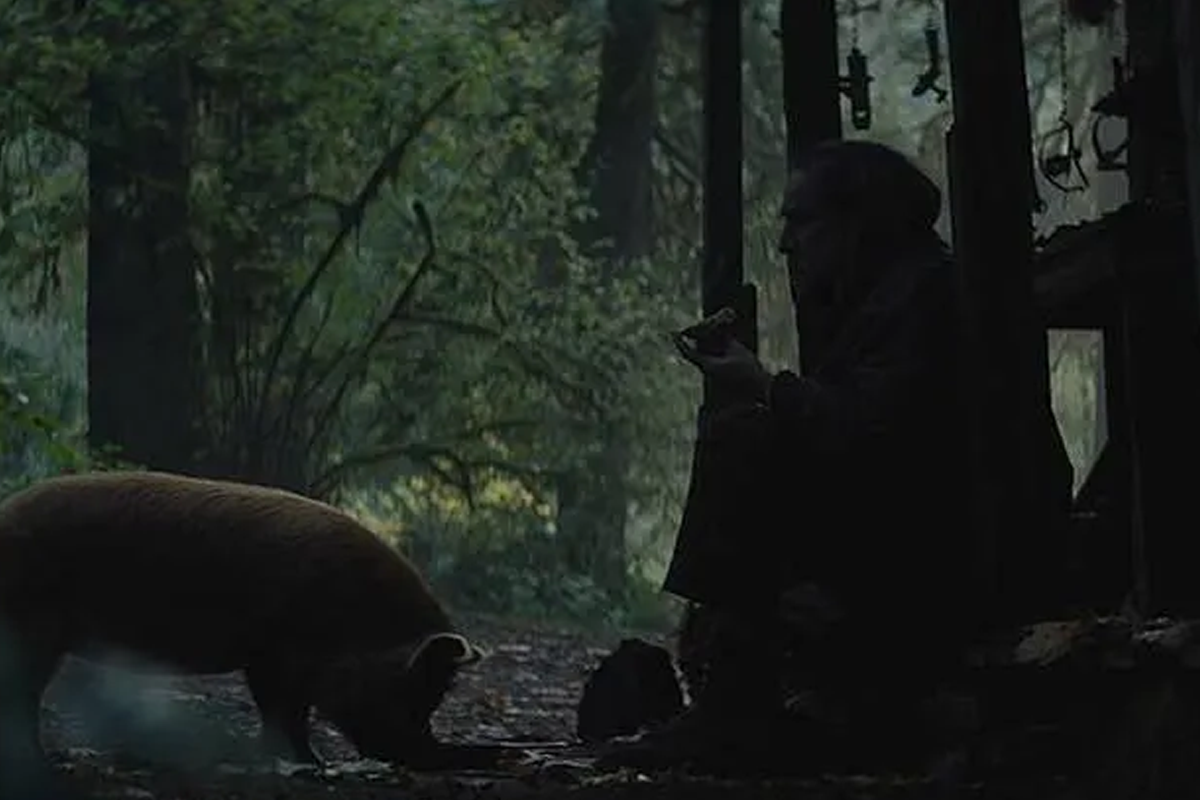
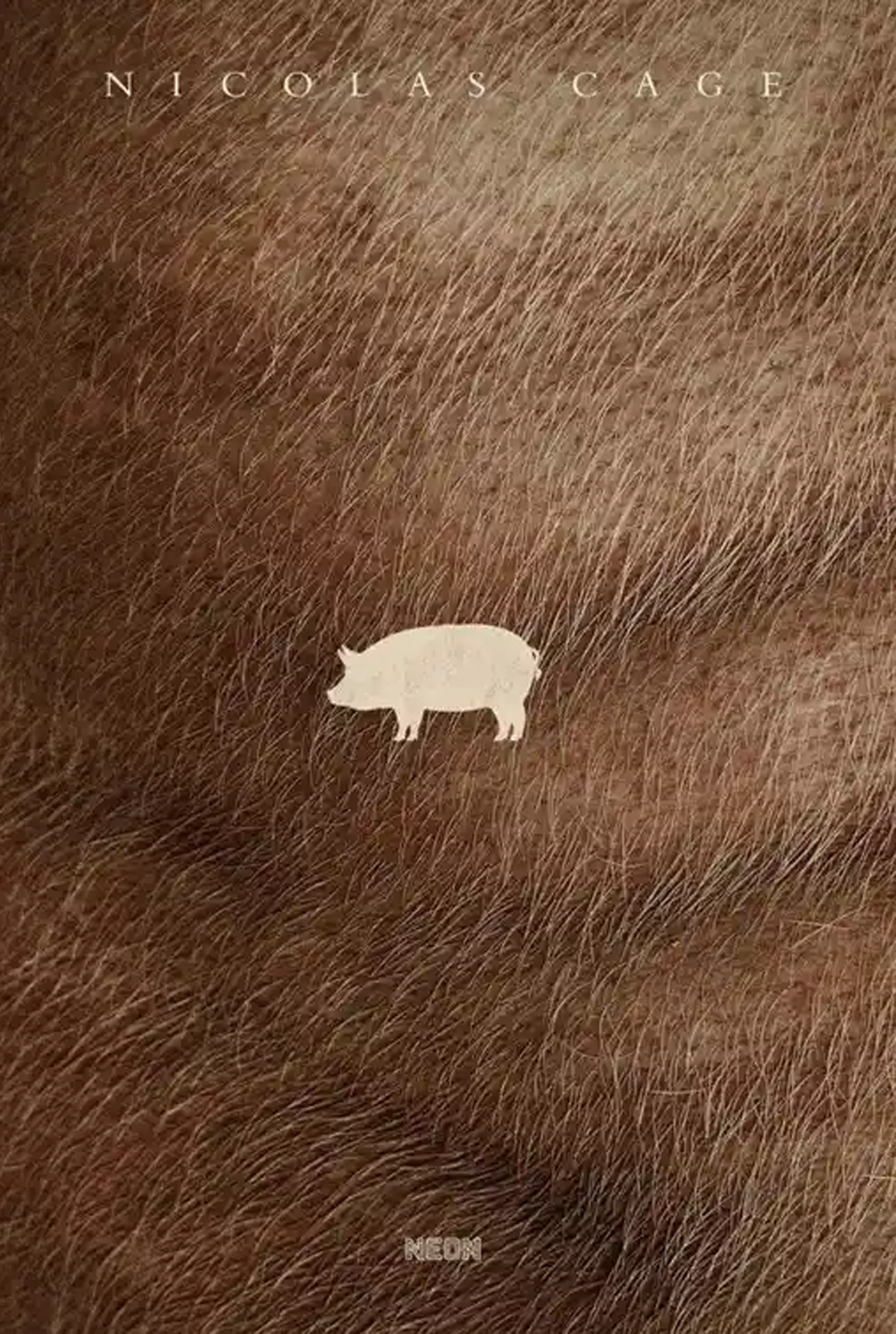
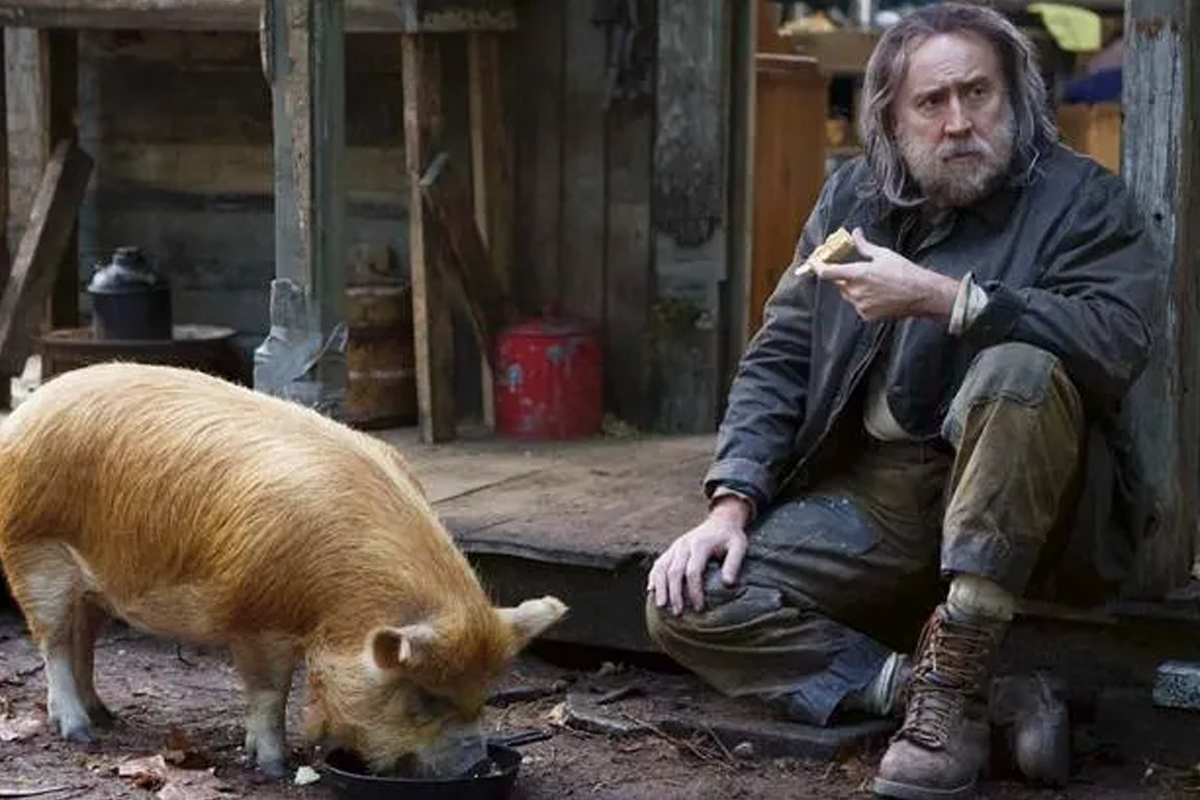
Pig is no different. Pig is about grief. It’s about revenge. It’s about facing your past and the life you walked away from. But it’s also actually about the food. Not in the background, not as a metaphor doing quiet work behind the scenes. It’s right there, front and centre, woven into everything the movie is trying to say.
And it understands it better than any of them.
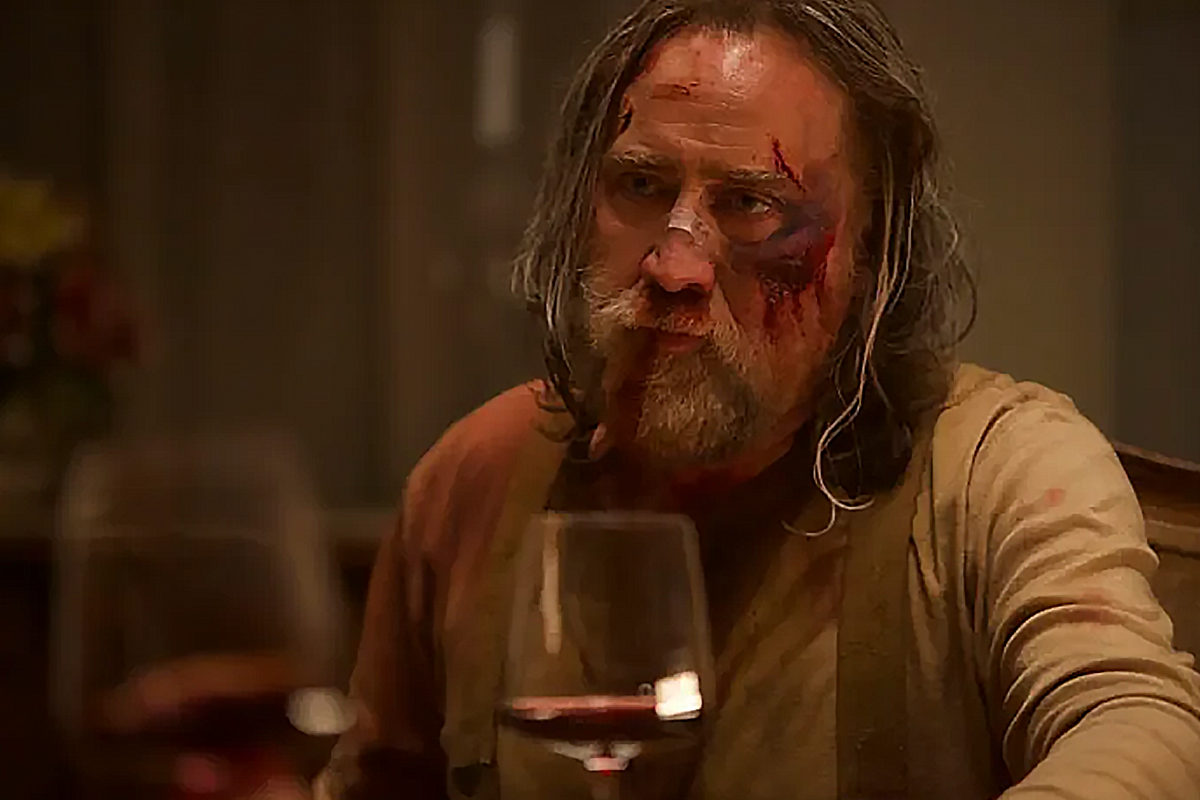
There’s a moment early on that kind of resets your expectations. Nicolas Cage, playing Rob, walks into a restaurant looking like he’s been living in the woods for years (which he has), his face bloody and bruised looking like his face was punched 20 times the night before (which it was). He’s dirty, exhausted, and completely out of place in this polished dining room. He tries the food and asks for the chef, who comes out, ready to throw him out, ready to protect the room, the vibe, the illusion of control. And Rob doesn’t yell. He doesn’t threaten him. He just talks. He reminds him who he used to be. Why he started cooking. What he cared about before all of this became a performance. And you watch this successful chef, standing in his beautiful restaurant, fall apart.
Not because his food is bad. Because he doesn’t love it anymore.
That’s what Pig does. It strips everything down to the point where food isn’t impressive, it’s honest.
There’s another scene that feels smaller but just as important. Rob visits an old co-worker who now runs a bakery, and it’s clear without anyone saying it that she’s one of the best in the city. There’s no big reveal, no speech about success, just a quiet understanding between two people who’ve been in it long enough to recognize what matters. You feel the history there. You feel the lineage. This is someone who learned from someone who learned from someone, and suddenly you start thinking about all the places you love and how they’re probably connected in ways you never noticed.
That’s something most food movies don’t even try to touch. The idea that food isn’t just what’s on the plate. It’s the people behind it, the teachers, the late nights, the small kitchens, the relationships that shape what eventually shows up in front of you. The deeper you go into the reputation of a restaurant, the more you realize it didn’t just appear out of nowhere.
And then there’s the meal. The one that really defines the movie. Rob cooks for a man who’s lost his wife. He recreates a dish he made for them years ago, down to every detail, because he remembers everything. They sit down, they eat, and the man just breaks. Because the food doesn’t just taste good. It brings everything back. The memory of her, the feeling of that night, the version of himself that existed before he lost her. And that’s what food should do. Hopefully in a happy nostalgic way, not a devastatingly grief stricken way, but still.
Most movies would build to a fight scene. Pig builds to that. But what makes it even better is the world around it. The movie has this strange, pulpy, surreal layer to it. There are underground spaces and strange encounters…it’s almost like Lynch had a rat on his head under a director’s hat when he made this! Kidding, but there probably aren’t secret restaurant fight clubs hidden under cities either. But there are bars only industry people go to. There are after-hours spots, traditions, inside jokes, and a whole culture that exists just below the surface of every good bar or restaurant that you love. Pig taps into that feeling. I worked in hospitality for 10+ years, and even though I’ve never owned a pig, I still feel like I can speak on it.
At the same time, it understands something that ties all of these food movies together. The idea that the thing you love can slowly turn into something else if you’re not careful. Burnt shows someone chasing greatness until it nearly destroys him. Chef shows someone realizing that greatness isn’t what he actually wants. The Taste of Things lingers on what’s left when time takes things away from you. Pig sits somewhere after all of that. It’s about what happens when you’ve already been great, already lost it, and stepped away. And more than anything, it’s about remembering why any of it mattered in the first place.
That’s why the movie works. Not because it has the best-looking food, or the most technically impressive cooking scenes (it actually has like…barely one). It works because it understands that food isn’t about impressing people. It’s about memory. It’s about care. It’s about the people who made it and the people you shared it with.
Pig gets that. It doesn’t just use food as a tool to tell another story. It tells a story about food itself, about the community around it, about the way it connects people across time, across places, across versions of their lives.
It’s also just a movie about a truffle pig.
AUTHOR: Hogan short
Follow me on Beli and see my ranked lists in every city I’ve been to!
Follow me on Instagram and see other stuff I get up to!
For more food stories like this, check out our weekly newsletter.