Hot Take: Reservations are Ruining What Dining Used to Be
I don’t remember when going out for dinner started feeling like planning a wedding.
Somewhere along the way, grabbing a table turned into setting alarms, syncing calendars, and refreshing apps like you’re trying to get playoff tickets. You open Resy, maybe OpenTable, maybe Tock, whatever third app you maybe now have to make another account (and forget a password) for, and within seconds, everything is gone.
Your birthday? Ruined. Hot date? Hopefully, they like burgers. Anniversary spot? Better pivot!
And I’m not above it. I’ve done it all. Set the reminders. Checked the drops. Built entire nights around one reservation. It feels like you’re on a mission…an impossible one…If you actually get a reso, it can feel like you just climbed the 2,717-foot Burj Khalifa with specialized gloves for grip so that you could access a secure server room on a high floor to intercept a meeting between a nuclear extremist and his buyer. Which is weird, because…you’ve just secured dinner…a month from now. I recently went to Mexico City and set an alarm for 11:59 pm, woke up, and was able to grab THE LAST SEAT a month from now just in time for Contramar. Fell back asleep. That’s the part that feels off now. By the way, when I finally got to go, there were like twenty open seats the entire time I was there (which was two hours).
Look, I understand why reservations exist. They make sense in a lot of situations. If you’re doing an omakase, a tasting menu, anything with ten courses and tight timing, you need structure. The kitchen needs to know exactly who’s coming. Same with big groups. Put a deposit down, lock it in, no surprises. Maybe every sports bar and pub in the city NEEDS to fire up reservations for a night where everyone wants to go out, throw their Jays jersey on, have their heartbroken after drinking 16 tequila sodas (me), and they want to manage expectations…and that’s all reasonable.
But that logic has spread to everything.
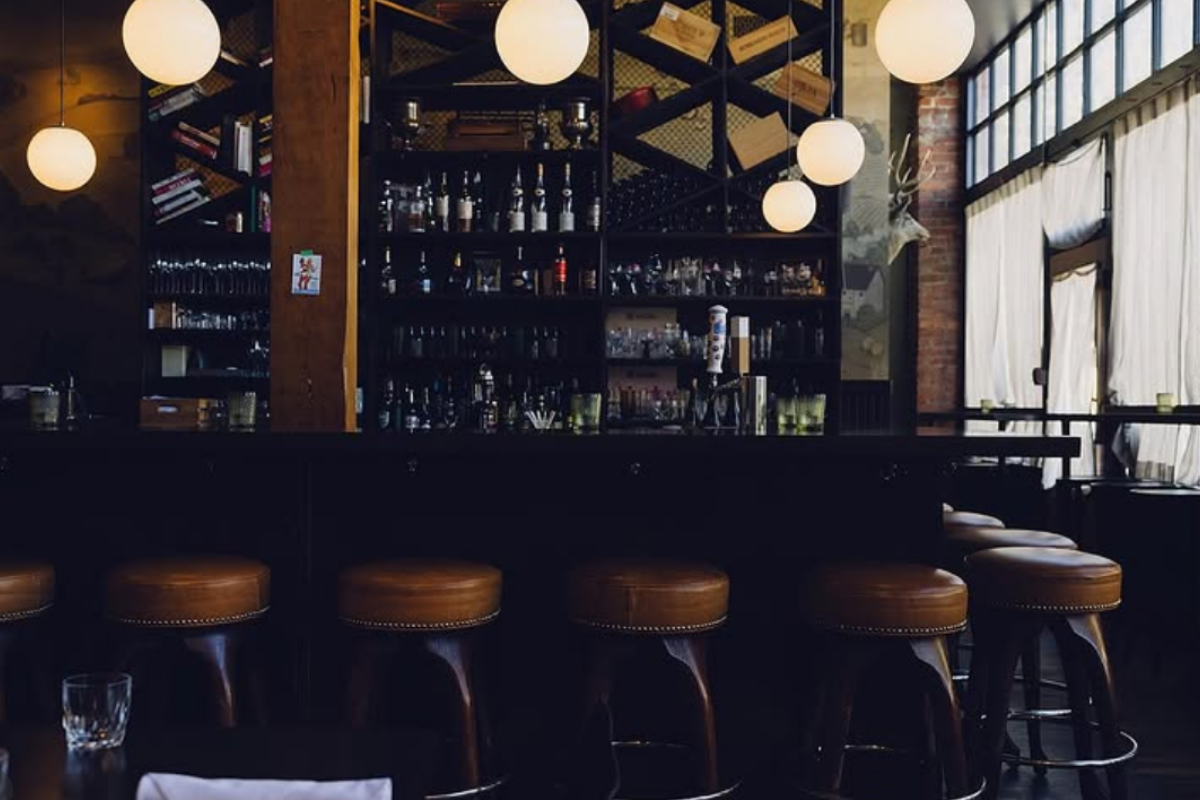
You now need a reservation for places where you used to just walk in. You need a plan for what used to be spontaneous. There are even reservations for bar seats now, which feels like we’ve officially lost the plot. The bar is supposed to be the fallback. The safety net. The place you go when the night is still open and you just want to sit down, have a drink, maybe order something, maybe talk to someone.
That shouldn’t require a booking window that you happened to secure two weeks ago.
Dining used to leave room for last-minute decisions. You’d walk around, see a spot, put your name down, maybe wait a bit, maybe grab a drink nearby while you waited. It was part of the rhythm. Now, if you didn’t plan two weeks ago, you’re either eating at 5:00 or 10:15, or you’re not eating there at all.
And if you miss the reservation drop, that’s usually it. The good times are gone instantly. The system rewards speed, timing, and, increasingly, access. People are using bots. Concierge services are holding tables. Certain credit cards unlock early reservations.There’s a whole layer of dining now that sits behind tools and paywalls. And even if there was room, you’ll never know. How could you risk it? Your second choice is across town.
You can feel it when you’re on the outside of it.
Oh, you’re tired of Jam Cafe (Vancouver) and its insanely long line? Deal with it! Go earlier. Who cares!? The alternative is literally not even having a chance to get in because 500 people logged on at 10am at the same time, fighting for the same table. Kudos, Jam Cafe!
There’s also the time cost. Even when a reservation is technically free, it isn’t really. You’re spending time tracking when they release. You’re refreshing apps. You’re adjusting your week to fit whatever you managed to grab. You’re not choosing where you want to eat. You’re choosing from what you were able to secure.
That shift matters more than we admit.
Because it changes how the whole experience feels. By the time you sit down, you’ve already invested effort. You’ve stressed a bit. Maybe you’ve rearranged plans. You’ve annoyed a group chat or put pressure on people to show up or planned a first date WAY too early, hoping you’ll still be talking by then because maybe you’ve gotten to 2026’s first base already (moved from Hinge to the actual phone number).
I’m sure there are restaurant owners reading this and thinking about everything I’m not considering. Staffing, prep, no-shows, margins. Reservations help create stability. They make nights more predictable. I get that. I’m not saying they should disappear.
I’m saying they’ve taken over. And in doing that, they’ve squeezed out something important.
What’s interesting is that even the hardest tables still leave a crack in the door, if you’re willing to look for it. Places like Torrisi in New York are almost impossible to book online, but if you show up early, put your name down, and wait it out, there’s usually a shot. People cancel. No-shows happen. And in my experience there, the friendly staff actually tries to help. They’ll be honest about your chances. They’ll fit you in if they can. It’s not guaranteed, but it’s possible.
Then you’ve got places like Lucali in Brooklyn, which has gone the opposite direction entirely. No reservations at all. You line up early, and if you’re there, you’re getting in. That’s the system. It’s still hard. You still have to commit. But it’s clear and it’s fair. You can decide the day of that you want to have some of the best pizza the world has to offer. You can show up, put your name down, get a time, leave, and come back later. For a place that busy, that popular, it’s probably the best version of the system I’ve seen.
Bernie’s in New York does something similar. Always packed. No reservations. You go, you wait, you hang out. Maybe you have a drink streetside. The wait becomes part of the night instead of something you’re trying to avoid.
Same thing at places like Franklin BBQ in Austin. You line up. Everyone lines up. There’s no shortcut. No special access. It’s first come, first served. It sounds simple, but that simplicity is what makes it feel good. It actually feels like a fun tailgate. People are okay with anything, or they should be, as long as it’s democratic. And worried about margins? Auction off one to four tables every service, have the rich people looking to impress, paying on corporate cards anyway, mitigate some of that financial risk. Yes, its more work, but think about all the effort put into other areas of the customer experience. Why make the most important one, GETTING IN, so annoying?
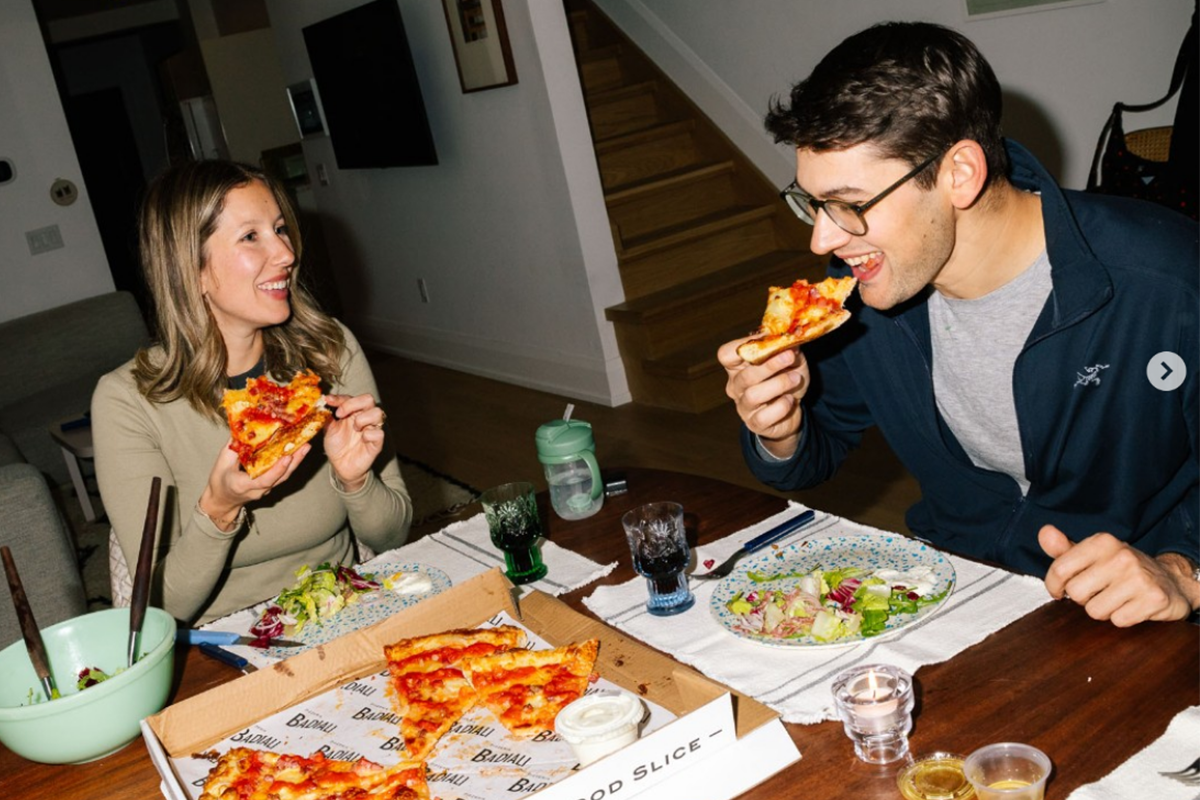
We’re seeing more love for food stalls, counters, casual places where you can just walk in and eat. No app. No planning. No stress. You’re hungry, you go, you get food. That’s it. I’m thinking Red Fish Blue Fish in Victoria. Sugo and Badiali in Toronto. Class Clown in Calgary with a handy, democratic, online wait list.
That kind of experience feels almost new again, which is funny, because it’s actually the old way.
It brings back the parts of dining that don’t show up on a reservation app. The randomness. The discovery. The ability to change your mind. The feeling that a good meal can happen without weeks of planning.
Because the truth is, the best meals usually don’t come from perfect scheduling. They come from moments. A seat that opens up. A place you weren’t expecting. A bar you wandered into because everything else was full. Walking through the streets in Barcelona, looking for the best places to eat, feels magical because it feels like another time. Not just another time because every build is hundreds of years old, with drinks and dishes that were developed hundreds of years ago, but another time, like the 90s, when reservations weren’t the standard. Walking by the busy Bar la Camilla for a vermouth at the window, or discovering the no-reservations Can Paixano cava bar and deli, one of the coolest spots I’ve ever been to, packed and with a line that promised energy inside. I travel for a lot of reasons, but that feeling of discovery without a one month plan is maybe my favourite.
Reservations still have their place. They solve real problems. They make certain types of dining possible. But they shouldn’t define all of it. They shouldn’t turn something as simple as dinner into something you have to strategize around…and they definitely shouldn’t take over the bar.
Right now, that space is shrinking. And the more it shrinks, the more dining starts to feel like something you have to unlock instead of something you get to enjoy. And yes, for anyone in the position of planning a first or second date at a cool spot…that’s basically over.
That’s the part that feels broken.
Anyways, I have to go, I’m running a half-marathon in 45 days, and I need to secure my spot for a post-race brunch.
AUTHOR: Hogan short
Follow me on Beli and see my ranked lists in every city I’ve been to!
Follow me on Instagram and see other stuff I get up to!
For more food stories like this, check out our weekly newsletter.