My Start in Hospitality Wouldn’t Be The Same Without the Creative Genuis Behind eightysix in Canberra
You feel eightysix before you understand it. The room is loud in a way that feels intentional, music pressing just hard enough to pull conversations closer together. Glasses stack up on tables. Bottles move quickly. The chalkboard looms, part menu, part scoreboard, the crossed-out lines a quiet record of what’s already gone. Staff cut through the room with familiarity and confidence, equal parts hosts and co-conspirators. There’s a looseness to the place, but nothing about it is careless. It’s the kind of room that tells you that you’re allowed to relax here and that something real is about to happen - and it’s impossible not to feel how much Gus Armstrong is embedded in the walls.
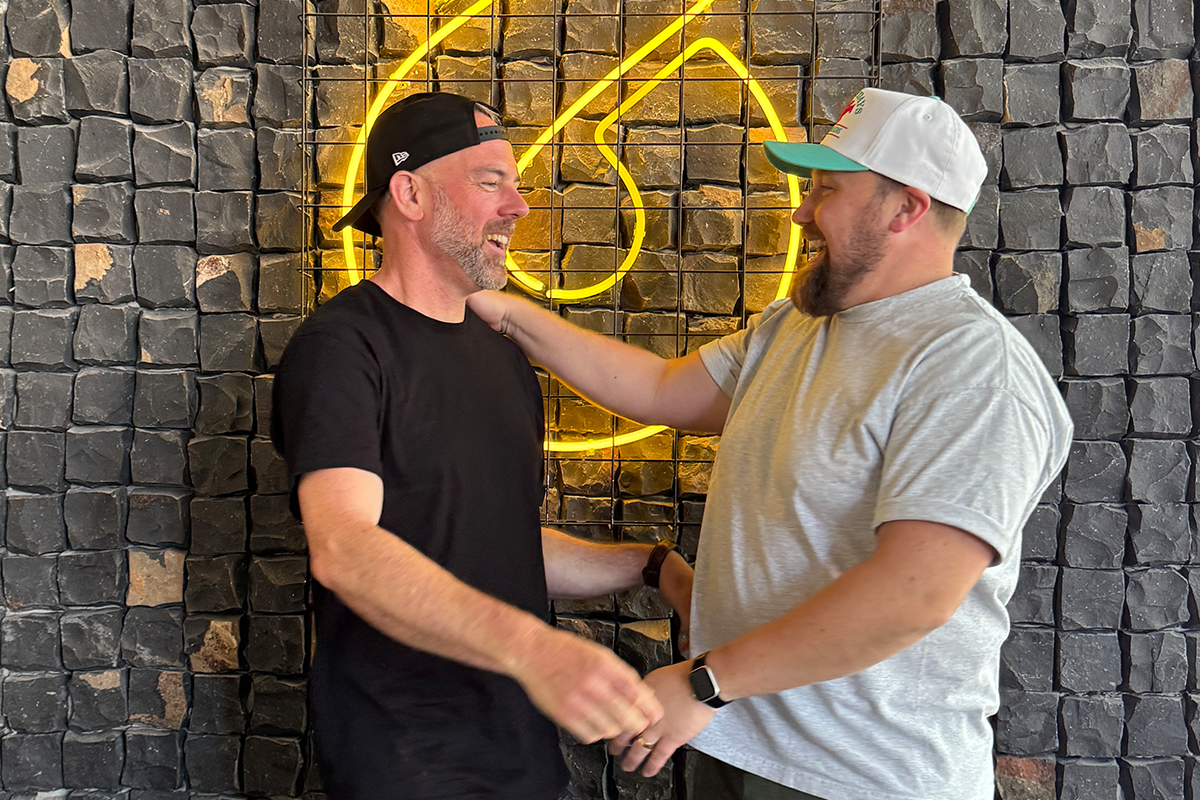
It was fitting that Gus would be the featured star of our first ever international episode of Mates on Crates. I’ve known Gus for more than twenty years. So when we sat down together at eightysix it didn’t feel like an interview so much as a deserving reunion to close a chapter that began a long time ago. Two people who took different routes through hospitality, circling back to the same conversation about what actually matters once the noise falls away.
Standing inside eightysix, thirteen years into its life, the restaurant doesn’t feel frozen in time, nor does it feel like it’s chasing relevance. It feels lived in. Earned. Gus opened the restaurant in 2013 because he wanted somewhere he and his friends actually wanted to go. Hip-hop on the speakers. Good wine. Swearing allowed. Food that hit hard without asking for permission. It wasn’t a concept designed for accolades. It was a reaction to everything that felt missing at the time.
When I first met Gus, neither of us were thinking about legacies. Hospitality was instinctive then. Messy. Charged by ego and energy in equal measure. Gus hired me for my first real job without much concern for whether I was “ready.” Looking back, that was the lesson. He didn’t hire polish. He hired presence. He saw that some people simply belong in rooms with other people, and everything else can be taught later.
That idea has followed him ever since.
Gus will tell you straight up that he’s not a chef (a refrain I’ve often had to borrow myself). He’s never pretended to be one. What he is, without hesitation, is a hospitality creative director. Dare I say a hospitality savant. He builds menus in conversation with his chefs. He obsesses over how dishes land emotionally, not just technically. He cares about how a dining room hums at full tilt. That awareness is everywhere inside eightysix, a restaurant that has now been open for more than a decade, which in our industry feels like dog years stacked on top of miracles.
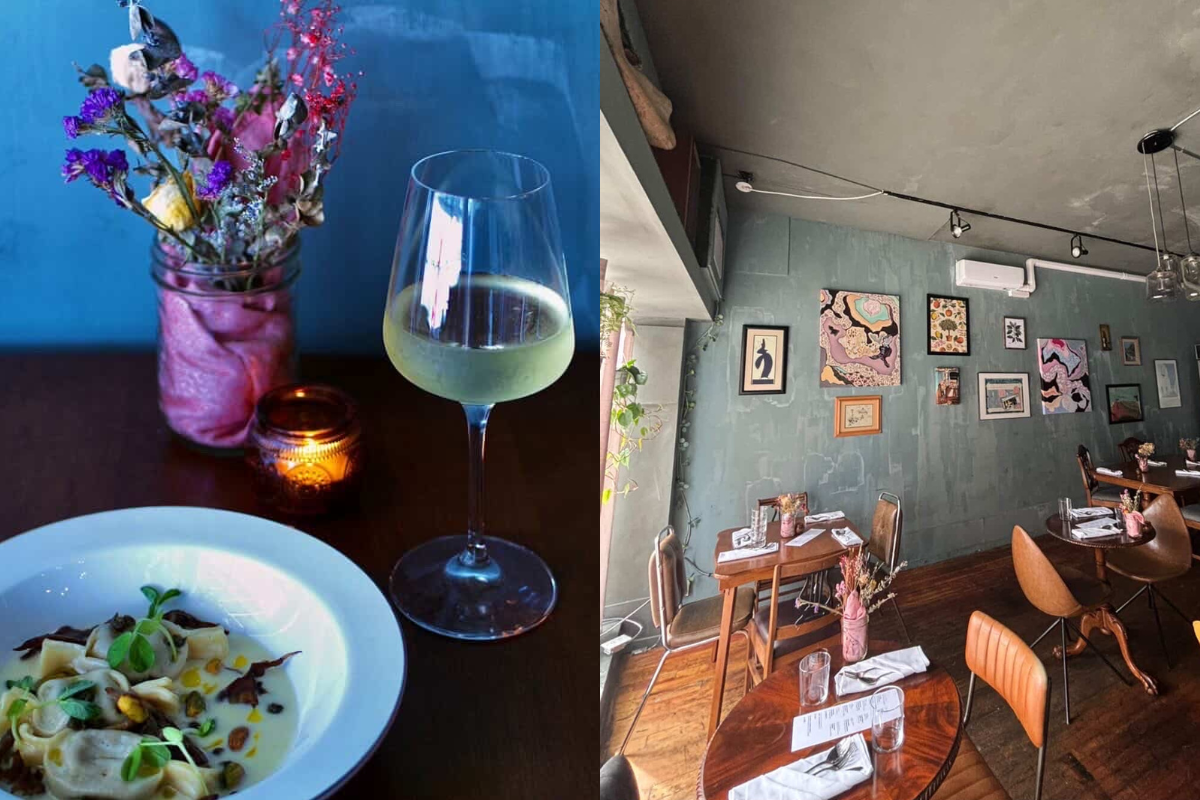
Listening to Gus talk about menus now, you can hear how time has shaped his priorities. Early on, the menu turned constantly. New dishes. New ideas. Endless experimentation. That’s the intoxication of opening years. But over time, something else happened. The restaurant learned itself. Dishes that mattered stuck around. The Black Chicken. Tortellini. Beef with salsa verde. Steak tartare in endless iterations. These weren’t crowd-pleasers engineered by committee, they were dishes that had proven, night after night, that they belonged. Removing them feels like breaking a promise. Over time, the menu becomes less about invention and more about identity. Gus calls it the heartbeat of the restaurant.
That shift mirrors my own journey more than either of us probably realized at the time. I moved away from running dining rooms every night and toward storytelling, strategy, and creating platforms that still keep me tethered to hospitality’s core. Different expressions of the same impulse. Stay close to the work. Stay close to the people.
I met Gus more than twenty years ago, long before eightysix existed. My first hospitality job was under him, at a chaotic little place where I had no idea what I was doing. Gus put me behind the bar anyway. Not because I was skilled, but because he saw something unpolished and worth backing. That pattern repeated itself over and over again with different people. Gus has always had an eye for potential, especially the kind that hasn’t been given permission yet.
Mentorship, to him, isn’t about control. It’s about recognition. In his own words, “you see people who have got it and have never been allowed to show it.” Letting people find their own voice and then teaching them how to carry it responsibly. That philosophy runs through eightysix as much as it runs through his relationships. The room works because people feel trusted. Staff aren’t robots. Guests aren’t managed. There’s structure behind the scenes, but what you feel out front is freedom.
His own path into hospitality was anything but clean. Early jobs were messy. He learned through trial, error, arrogance, and instinct. Pizza shops. Big rooms. Long nights. Eventually, Sydney. That move was a reset. Suddenly he was running food, wearing the wrong shoes, learning systems, structure, discipline. It sharpened him. It gave him formal grounding without dulling the edge that made him interesting in the first place.
When he came back and opened eightysix, Canberra was ready for it, even if it didn’t know it yet. The city’s dining scene had been functional, predictable. Gus and his team broke the mold by refusing to sanitize their vision. Loud music. Loose service. Serious food delivered without ceremony. It wasn’t polished, but it was alive. Other operators saw it and realized they didn’t have to follow the old template either. Whether Gus takes credit or not, eightysix became part of the city’s creative ignition.
The name itself tells the story. In hospitality, 86 means something’s gone. Crossed off. Finished. Gus turned that idea into theater. Menus written on a chalkboard. Items crossed out as the night unfolded. At the beginning, there were no paper menus at all. People stood up to read the wall. It was impractical and chaotic. But it was also perfect (until it wasn’t). Over time, the systems evolved, but the spirit stayed.
Gus’ impact on the story of Chef’s Favourite, while deep-seated, is indelible. My first moments in hospitality were guided by Gus. He taught me the craft. He directed my superpower. He also imparted on me the genuine philosophy of hospitality at a truly human level. I’ve been fortunate to have a number of formative mentors during my time in the industry but it’s probably the case that none of them would have followed if Gus hadn’t been the original.
The right moment called for the right person. His blunt but affectionate style of mentorship - distinctly Australian - resonated with an impressionable James. Not just how to use the power of hosting and hospitality but how to harness it properly, as a gentleman. The lessons I learned those years ago have remained important parts of my worldview to this day.
Today, Gus is focused on doubling down rather than branching out. Being present. Protecting the energy of the room. Investing in the feeling that hits right before service, when the first tables fill and the room starts to crackle. He still gets nervous. He still paces. He still cares, deeply, about whether the night will land the way it should. That care is the throughline. It’s why eightysix has lasted. It’s why people, including myself, keep coming back.
For more food stories like this, check out our weekly newsletter.